Navigating Loans: A Guide for Good and Bad Credit Scores
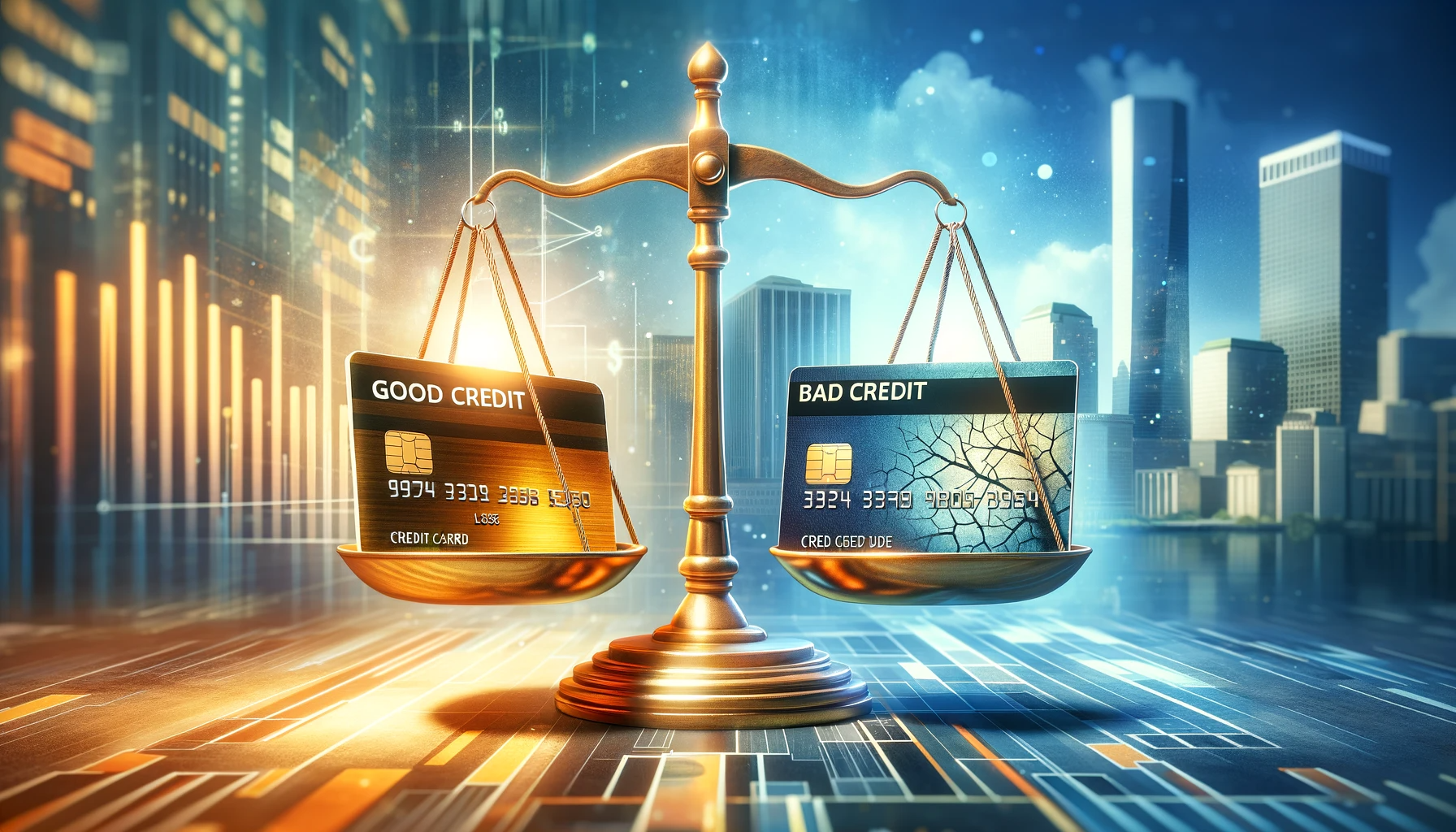
Navigating the world of personal loans can be a complex journey, especially when considering the impact of your credit score. Understanding the nuances of loans for those with good and bad credit is vital in making informed financial decisions. Here’s a comprehensive guide to help you chart these waters.
Understanding Personal Loans
What is a Personal Loan?
A personal loan is a sum of money borrowed and repaid in fixed monthly payments, typically unsecured, which means no collateral like a house or car is required. Loan amounts range from $1,000 to $100,000, with repayment terms of two to seven years. Lenders assess factors such as credit score, credit report, and debt-to-income ratio to determine eligibility.
Credit Score and Loan Rates
Good to Excellent Credit (690 and Higher)
- Benefits: Lower interest rates, larger borrowing amounts, and a wider array of loan options.
- Typical Rates: Interest rates usually start around 6% APR for those with excellent credit.
Fair to Bad Credit (Below 690)
- Challenges: Higher interest rates and fewer loan options.
- Strategies: Maintaining steady income, low debt, a long credit history, and on-time payments can improve loan approval chances.
Utilizing Personal Loans
Common Uses
- Debt Consolidation: Consolidate debts into one monthly payment to potentially reduce interest and accelerate payoff.
- Home Improvement: Finance home additions or renovations.
- Large Purchases: Use for significant expenses like boats or RVs.
- Weddings and Emergencies: Fund weddings or cover urgent home or car repairs.
Tips for Managing Personal Loans
- Check Your Credit Score: Understand your loan options based on your credit score.
- Compare Options: Weigh personal loans against other credit options like 0% interest credit cards.
- Consider a Co-applicant: A co-signer with good credit can improve your rate.
- Secured Personal Loans: Using assets as collateral might lower your rate but poses a risk of asset loss on default.
- Assess Financial Health: Ensure that a personal loan fits into your overall financial plan and doesn’t add undue strain.
In conclusion, whether you possess a stellar credit score or are working with less-than-ideal credit, there are viable loan options available. The key is to understand the implications of your credit score, shop around for the best rates, and ensure that any loan you take aligns with your overall financial strategy. Remember, knowledge is power in the world of personal finance.
If you are dealing with bad credit or no credit then I recommend you check out my post on Prosper.
If you have decent or better credit then you can do some comparison shopping. This is a good place to start:
https://www.nerdwallet.com/blog/compare-personal-loan-rates-lenders/
Just be careful when shopping for a loan that you don’t take on too many credit hits.

Carfax: Navigating the Digital Roadmap of Your Vehicle’s History
In the digital era, where information is power, knowing the history of your vehicle is not just about understanding its past, it’s about securing your future. Enter Carfax, a service that offers detailed reports on used cars. But why should you care about Carfax reports in the context of digital survival?
What is Carfax, and How Does It Work?
Carfax provides comprehensive vehicle history reports, compiling data from various sources, including insurance companies, repair shops, and law enforcement agencies. These reports can reveal crucial information about a car’s past, such as accident history, ownership changes, and maintenance records.
Why is Carfax Important for Digital Survival?
Preventing Identity Theft: When buying a used car, you’re not just investing money but also sharing personal information. Carfax reports help verify the legitimacy of a vehicle, reducing the risk of scams that can lead to identity theft.
Investment Security: Cars are significant investments. A Carfax report can ensure you’re not investing in a vehicle with a hidden, problematic past, which can be financially draining.
Data Accuracy: In our digital age, the accuracy of data is paramount. Carfax reports offer a reliable way to verify the digital footprint of a vehicle, ensuring you make informed decisions based on accurate historical data.
How to Use Carfax Reports for Digital Protection?
Review Before Purchase: Always request a Carfax report before purchasing a used vehicle. This report can be a deciding factor in your purchase, providing peace of mind.
Check for Discrepancies: Scrutinize the report for any inconsistencies in the vehicle’s history. Discrepancies can indicate fraudulent activities or data manipulation.
Regular Updates: If you own a used car, regularly checking its Carfax report can alert you to any new information that might affect its value or your security.
Case Study: The Hidden Dangers in a Vehicle’s Past
Consider John, who bought a used car from a private seller without checking its Carfax report. Months later, he discovered the car had been in a severe accident and repaired unofficially, compromising its safety. Had John accessed the Carfax report, he could have avoided this risky investment.
Conclusion: Your Digital Roadmap to a Safe Vehicle History
In conclusion, Carfax is more than just a vehicle history report; it’s a tool for digital survival in the modern marketplace. It empowers consumers with knowledge, safeguards investments, and ensures the digital integrity of your vehicle’s history.
Your Action Plan to Stay Safe Online
In the ever-evolving digital world, staying safe online is not just an option but a necessity. Here are key steps to protect yourself and your digital identity:

1. Regular Data Backups
The importance of backing up your data cannot be overstated. Ensure you have both physical and cloud-based backups to safeguard your valuable information against loss due to hardware failure or cyber-attacks.
2. Routine Software Updates
Keep all your devices and applications up-to-date. Software updates often include critical patches for security vulnerabilities. Neglecting updates leaves you exposed to known security risks.
3. Strong, Unique Passwords
Use complex passwords and ensure they are unique for each account. Consider using a password manager for better security and convenience.
4. Two-Factor Authentication (2FA)
Whenever available, activate 2FA. This adds an extra layer of security, making it harder for unauthorized users to access your accounts.
5. Be Wary of Phishing Attempts
Always be cautious with emails, especially those requesting personal information. Verify the source before clicking on any links or downloading attachments.
6. Secure Your Wi-Fi Network
Use strong encryption for your home Wi-Fi. Avoid using public Wi-Fi for sensitive transactions, or use a VPN for added security.
7. Monitor Your Accounts
Regularly check your bank statements and online accounts for any unusual activity. Early detection of fraudulent activity can mitigate potential damage.
8. Educate Yourself and Others
Stay informed about the latest cybersecurity threats and best practices. Share this knowledge with friends and family to collectively enhance online safety.
9. Privacy Settings and Data Sharing
Be mindful of the information you share online. Adjust your social media privacy settings to control who sees your information.
10. Physical Security
Remember that physical security is just as important. Secure your devices against theft and ensure that any sensitive information is not left exposed.
By implementing these steps, you can significantly reduce your risk of falling victim to online threats. Remember, cybersecurity is a continuous process, requiring ongoing vigilance and adaptation to new challenges.
Please note: The information presented here is a synthesized version of the action plan from the Digital Survival Guide and should be used as a starting point for your personal or business cybersecurity strategy.
Stay safe online and keep your digital life secure!